Why Does Taichung Have So Many Sun Cake Shops? The Taiyang Tang Dispute & Post-2012 Legacies
A whole row of 'Taiyang Tang' shops on Ziyou Road: which one is the original? Tracing the 70-year history from Kun-school maltose cakes, the trademark disputes, and what happened after the iconic 2012 closure, complete with an honest lard vs. butter buying guide.
Walk down Section 2 of Ziyou Road in Taichung and within just a few dozen meters you will pass sign after sign reading "Taiyang Tang" (太陽堂, "Sun Hall"), "Original Sun Cakes," and "Authentic Heritage." First-time visitors inevitably ask the same question: Which one is the real original, and why are there so many bakeries sharing the exact same name?
This 70-year-old culinary mystery weaves together a pastry master schooled in the historic Kun tradition, a visionary couple who sparked a citywide craze, a product name that could never be trademarked, and the dramatic chain reaction that followed when Taichung's most iconic bakery abruptly turned off its ovens in 2012.
1. Where Sun Cakes Came From: Maltose Cakes First, "Sun" Later
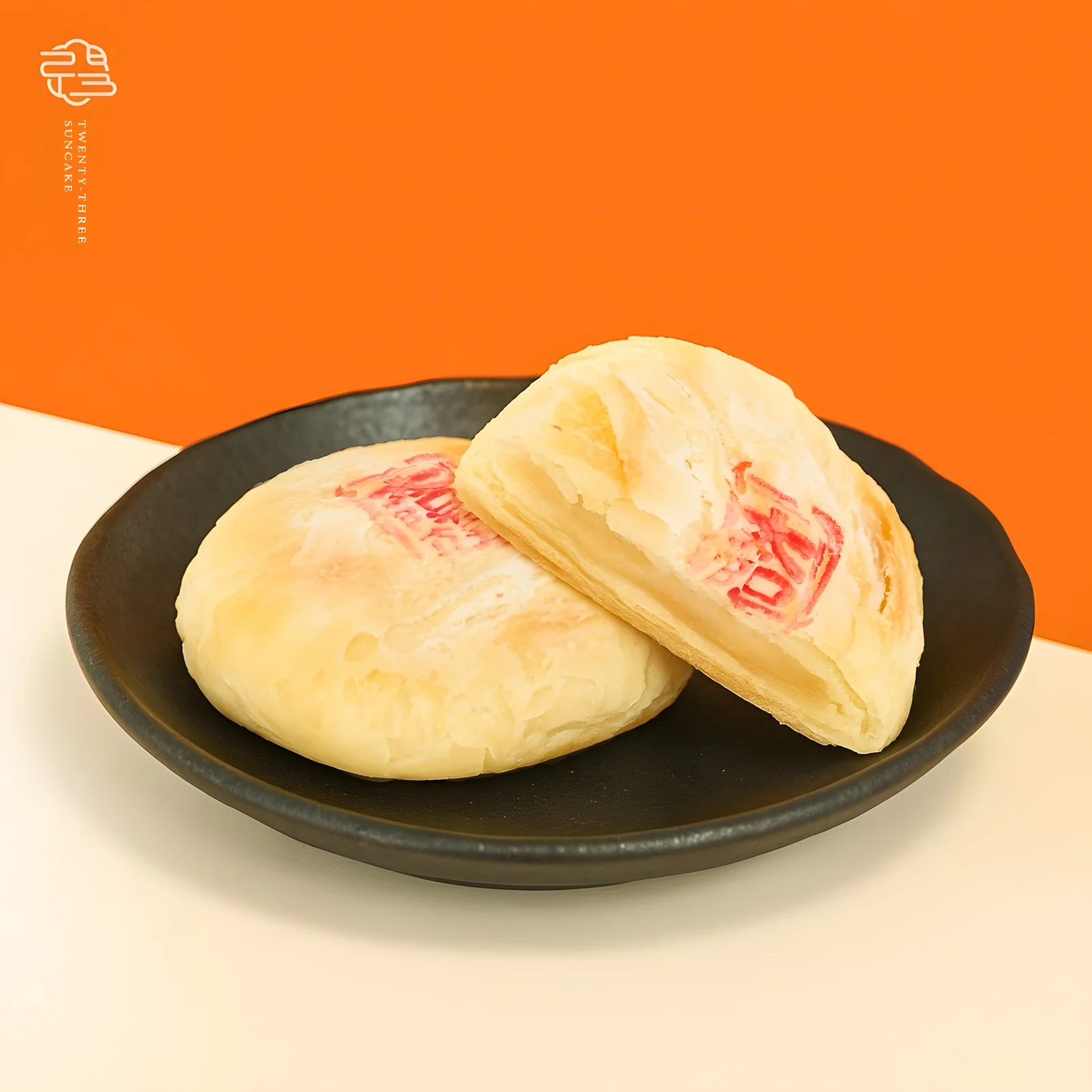
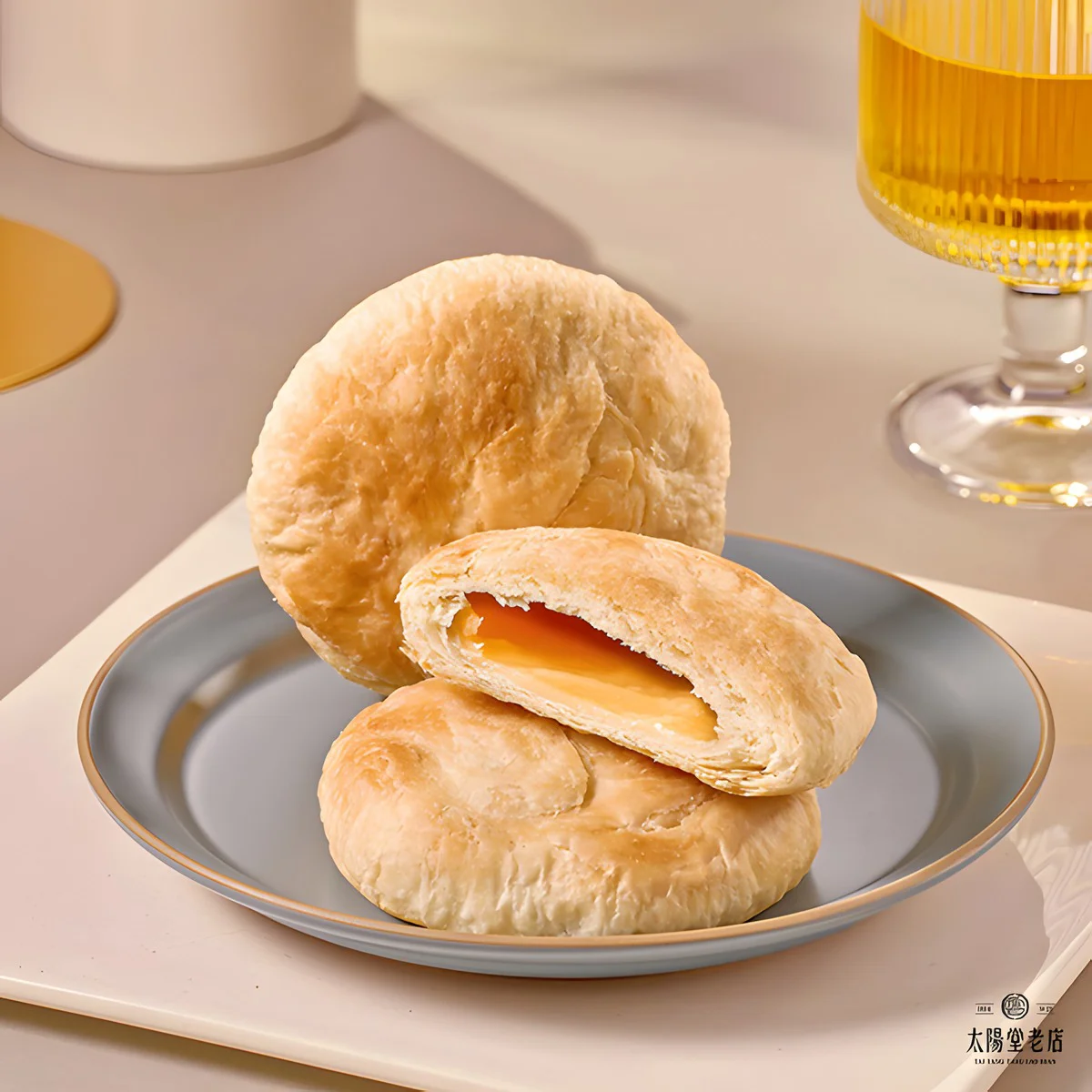
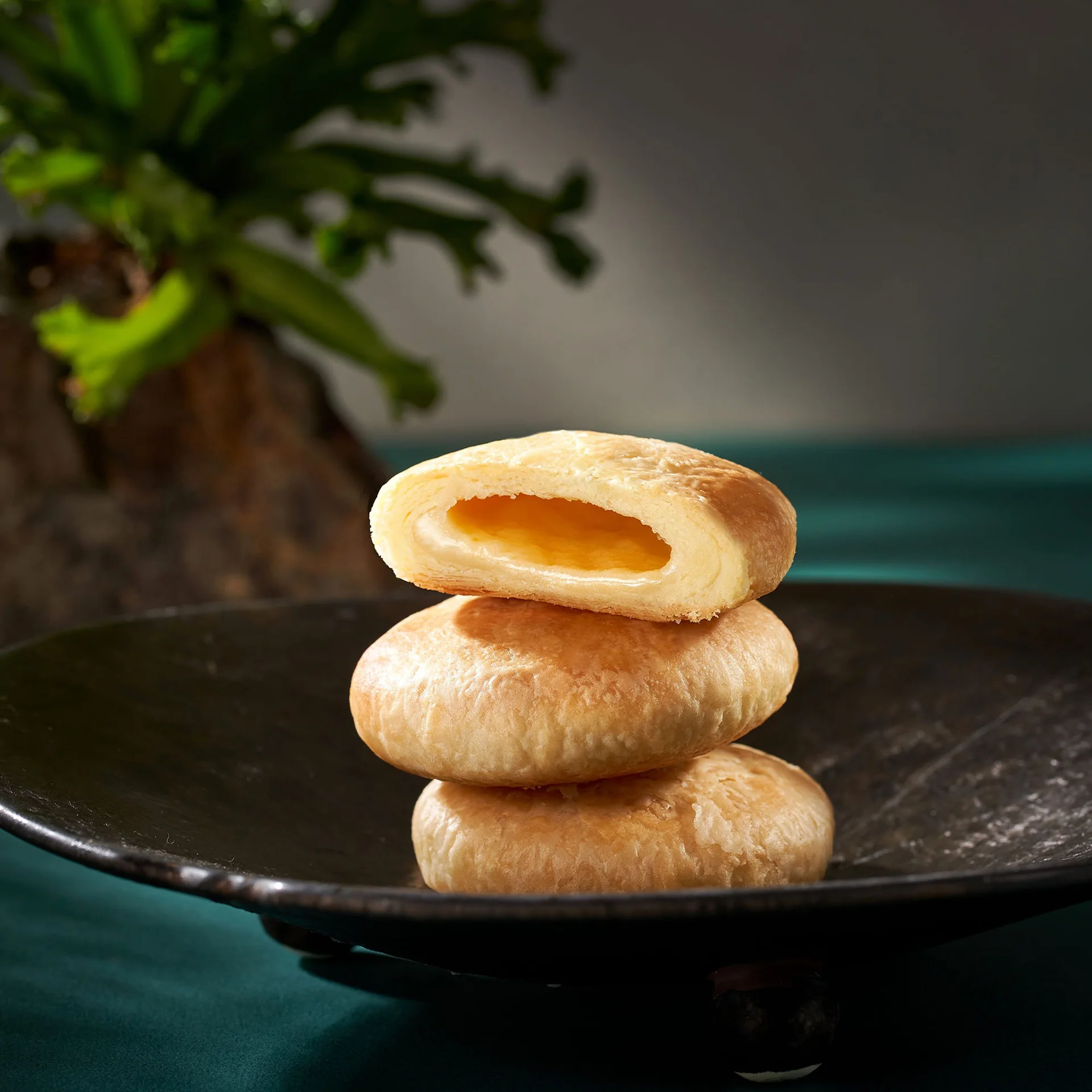
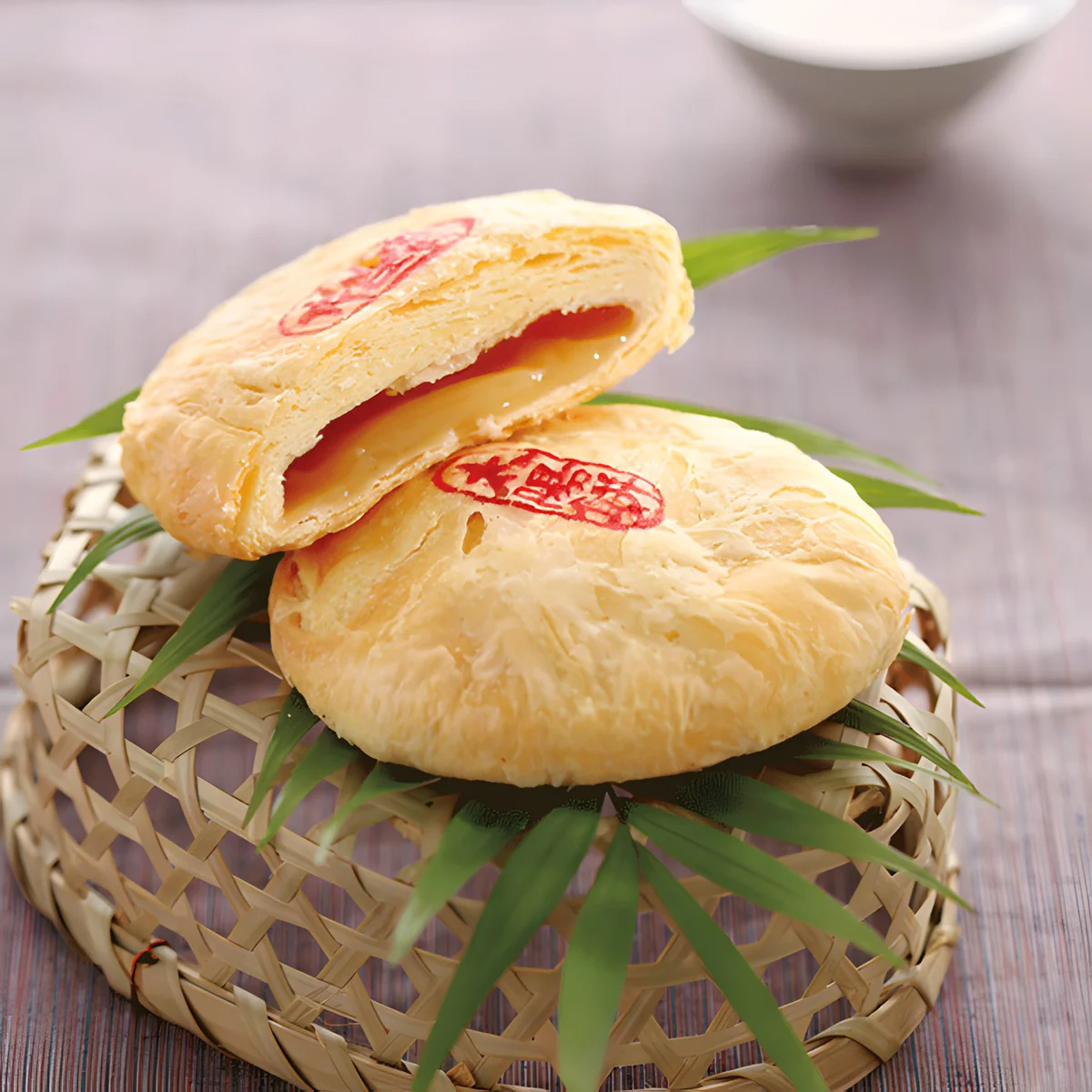
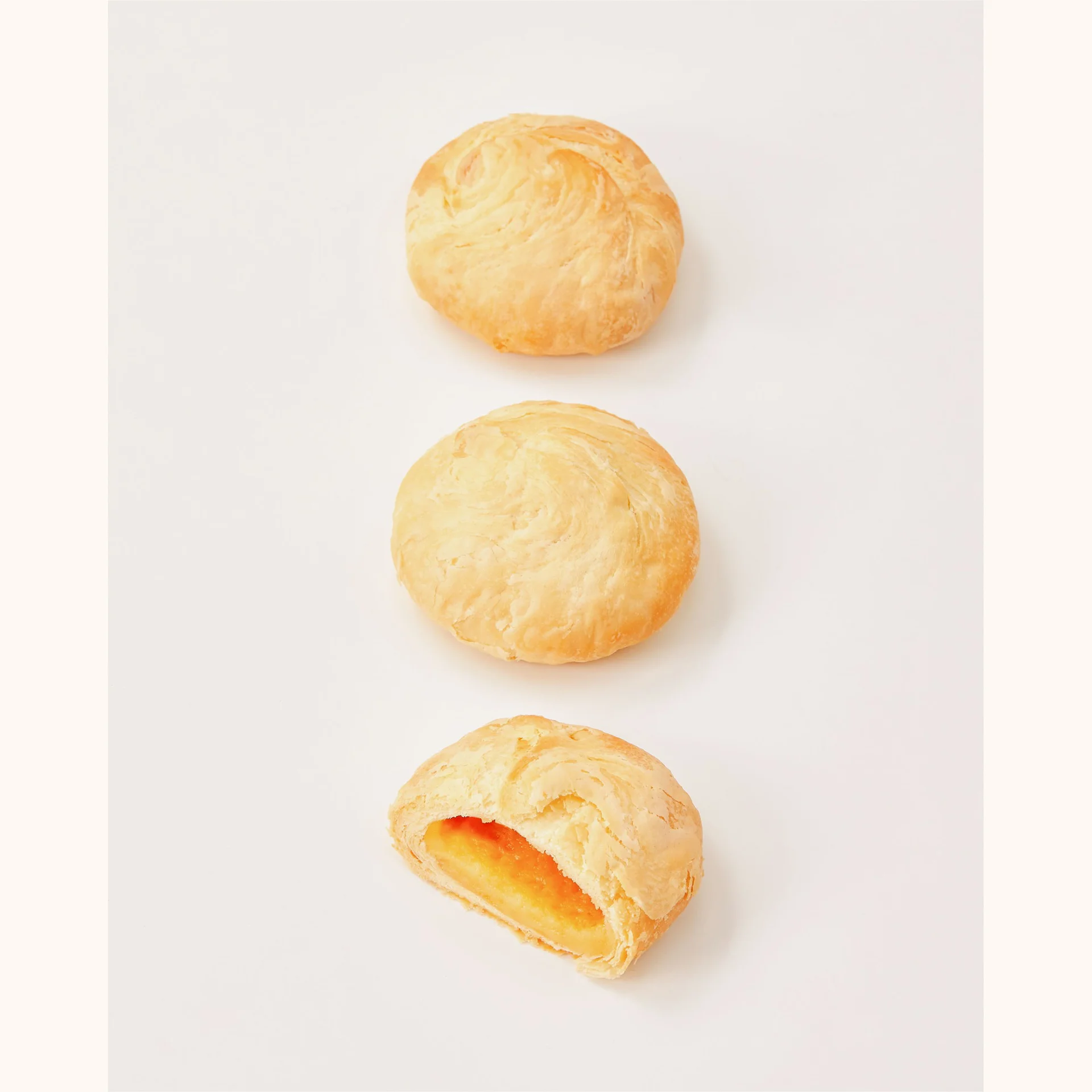
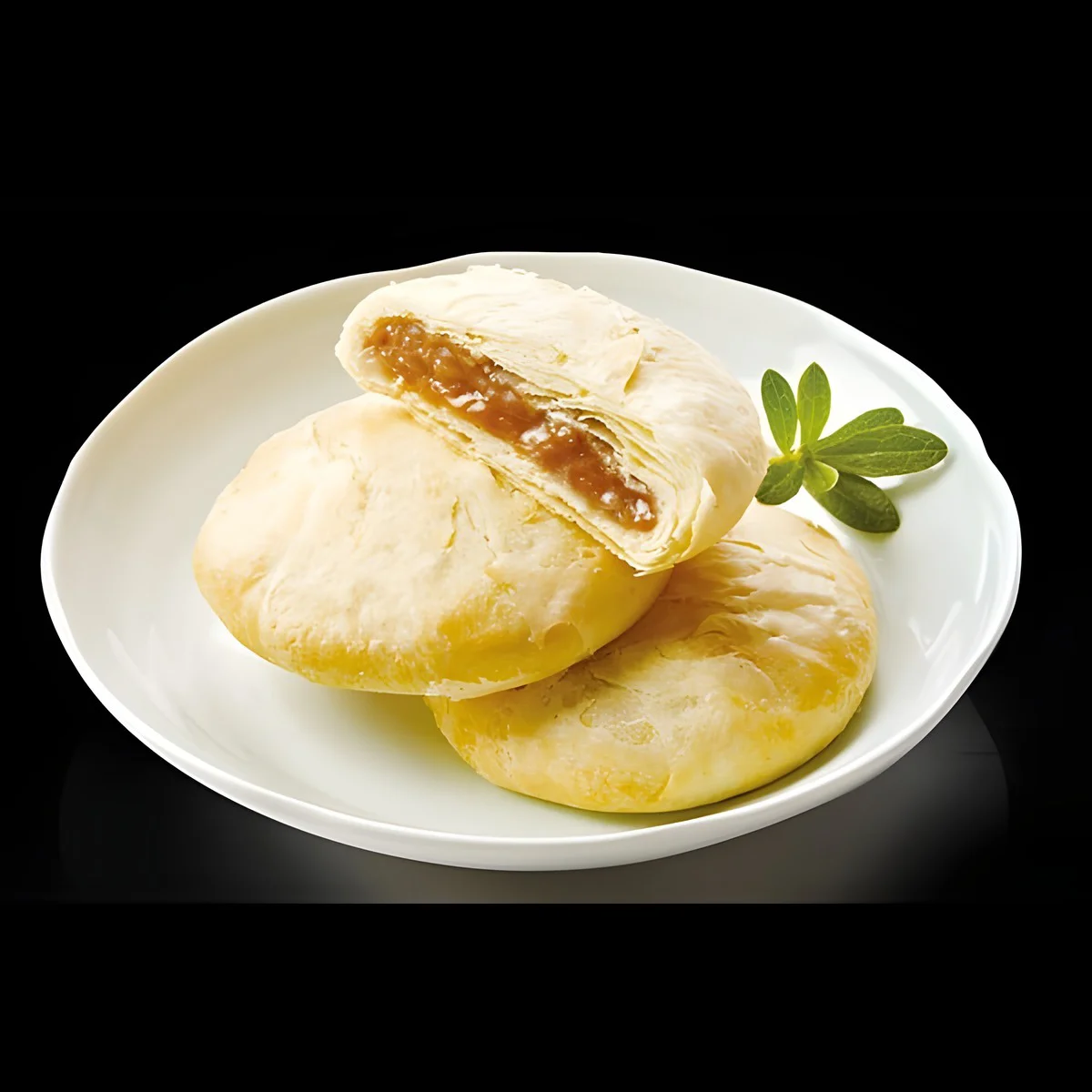
According to research published by the Taichung City Cultural Affairs Bureau, sun cakes were historically known as "soaking cakes" (泡餅, pào-bǐng) or maltose flaky pastries. Across central Taiwan, these thin, flaky treats trace back to the late Qing Dynasty around Shengang's Shekou Lin family, whose master bakers founded what became known as the "Kun school" (崑派). Master baker Wei Qing-hai (魏清海, affectionately known as Master A-Ming) refined traditional maltose pastries with Kun-school lamination techniques, creating the multi-layered flaky crust and soft malt center we know today.
The next pivotal figures were Lin Shao-song (林紹崧) of the Shekou Lin family and his wife Lin He Xiu-mei. In 1953, Lin founded Taiyang Tang, hiring Wei as head baker and officially naming the confection "Sun Cake" (太陽餅). After an early fire, the family relocated to No. 23, Section 2, Ziyou Road in 1956, establishing what would become ground zero for Taiwan's sun cake industry.
As for the name itself, the Cultural Affairs Bureau notes that its true origin can no longer be definitively proven: theories range from the round red seal stamped on top resembling a morning sun, to a subtle reference to Japan's flag during the colonial era, to the golden color of the baked pastry.
2. Why Are There So Many Sun Cake Shops on Ziyou Road?
Historians point to four interlocking historical reasons for the proliferation of sun cake bakeries:
- The Name "Sun Cake" Could Never Be Trademarked: Because "sun cake" was deemed a generic descriptive name, no single bakery could monopolize it. Anyone could bake and sell sun cakes, sparking vibrant culinary competition across Taichung.
- Apprentices Branched Out: Master Wei Qing-hai's lineage alone produced several major bakeries: his adopted son and third son founded A-Ming Old Shop; his grandson launched Wei Qing-hai Old Shop; while veteran bakers from the Lin family's bakery frequently went on to open their own shops.
- Midpoint Transportation Hub & Railway Vendor Culture: Taichung sits directly at the center of western Taiwan's transit arteries. Starting in the late 1950s, hostess crews aboard highway Golden Horse express buses and Taiwan Railway express trains walked the aisles hawking fresh Taichung sun cakes, turning them into a national souvenir sensation.
- Ziyou Road Commercial Clustering: Sec. 2 of Ziyou Road sat right beside the old Taichung City Hall and Railway Station. As pioneering bakeries flourished, competitors congregated along the same strip to capitalize on pedestrian foot traffic.
3. The Fight Over the "Taiyang Tang" Name: Who Used It First vs. Who Registered It First
While the product name "sun cake" belongs to everyone, the bakery name "Taiyang Tang" triggered a decades-long legal showdown:
- No. 23 Ziyou Road (The Lin Family) ➔ First to Open and Use the Name: The Lin family operated the original historic bakery. Unconcerned with corporate paperwork in the 1950s, they never registered the trademark. When second-generation owner Lin Yi-bo took over, other bakeries had already registered similar trademarks, and Lin ultimately lost in court.
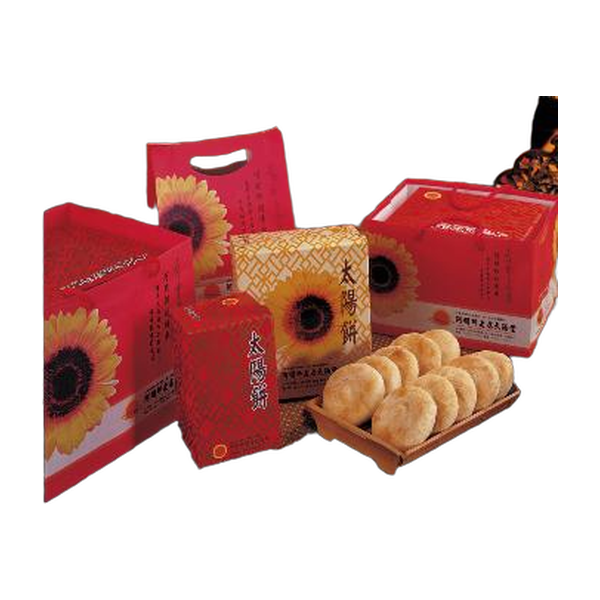
- No. 25 Ziyou Road (The Lei Family) ➔ First to Formally Register the Trademark: Next door at No. 25, the Lei family's Taiyang Tang (founded in 1954) became the first bakery to officially register the "Taiyang Tang" name alongside the signature sunflower emblem with Taiwan's Intellectual Property Office.
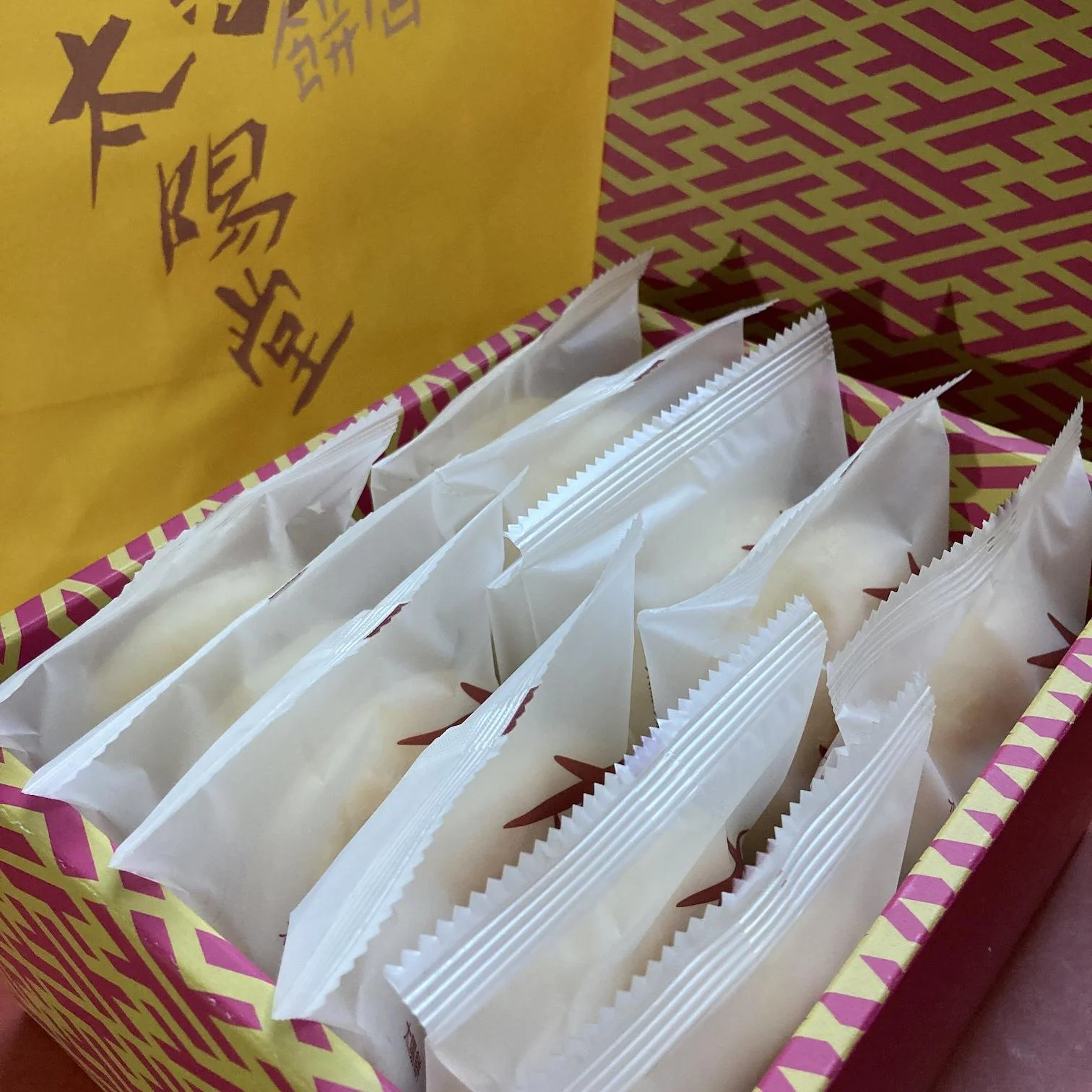
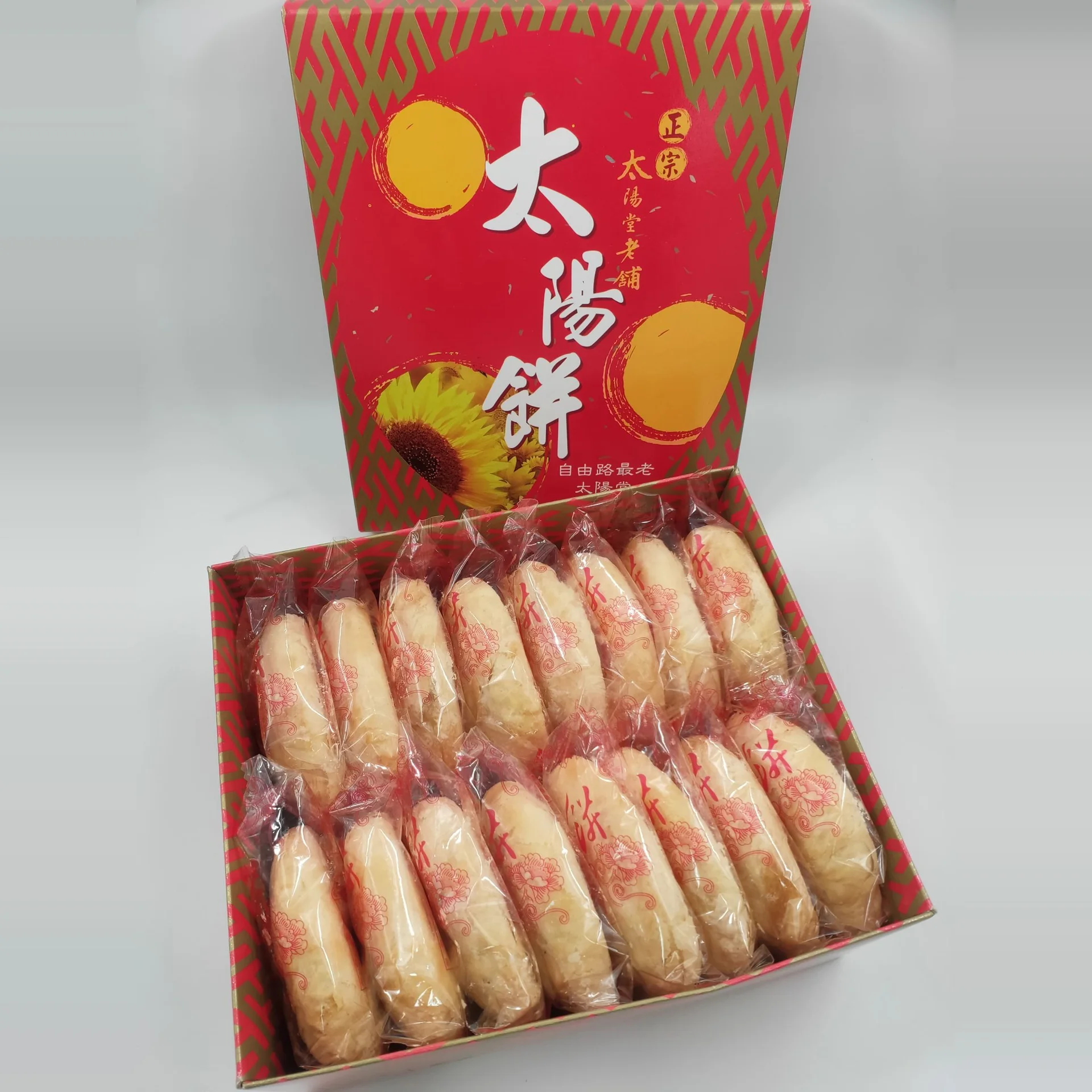
- Other Variations: Along the same street, A-Ming Old Shop, Taiyang Tang Laopu (calling itself Ziyou Road's oldest), and New Taiyang Tang each claim distinct ties to the original baking lineage.
Thus, the bakery that first used the name and the bakery that first held the registered trademark are legally and historically distinct entities.
4. After the 2012 Closure: One Bakery, Three Legacies
On the evening of May 12, 2012, a handwritten red sign appeared on the door of No. 23: "Ceasing operations from May 13."
With owner Lin Yi-bo aging and having no successors, the legendary 60-year-old shop closed its doors, sending shockwaves across Taiwan. Three months later, Lin passed away. Yet its baking legacy splintered into new chapters:
- The Legend of the Sunflower Mosaic Mural: The spiritual centerpiece of No. 23 was a colossal mosaic mural of sunflowers handcrafted by renowned Taiwanese artist Yen Shui-long. Under Taiwan's martial law era, sunflowers carried sensitive political associations. To shield the masterpiece from authoritarian censorship, owner Lin Shao-song concealed it behind wooden boards for 25 consecutive years, revealing it only after martial law was lifted in 1989.
- The Rise of "New Taiyang Tang": Following the closure, investors rallied former baking staff to reopen briefly, eventually establishing New Taiyang Tang at No. 51, Ziyou Road, preserving traditional recipes.
- Veterans Form "No. 23 Sun Cake Shop": Longtime head bakers and staff from No. 23 refused to let the original handmade lard pastry die. Backed by loyal customers, they founded No. 23 Sun Cake Shop on Sanmin Road, dedicated to the uncompromising traditional craft.
5. How to Choose: A Buying Guide by Taste and Gifting Needs
"Original" does not automatically mean best for your specific palate. Sun cakes today differ primarily by fat type (lard vs. butter), crust flakiness, and maltose sweetness:
| Your Preference | Recommended Style & Texture | Reference Product (Catalog Price) |
|---|---|---|
| Old-School Historic Flavor | Traditional Lard Pastry Handmade hundred-layer delicate flaky crust, rich maltose filling |
No. 23 Sun Cake Shop, Traditional 10 pcs (NT$350, Lard) New Taiyangtang Bakery Sun Cake 12 pcs (NT$360, Lard) |
| Ziyou Road Heritage Pilgrimage | Ziyou Road Historic Bakeries Traditional landmark recipe on pastry row |
Taiyangtang Old Shop No. 25, 10 pcs (NT$380) Taiyangtang Laopu Original, 16 pcs (NT$592) A-Min-Shi Malt Sun Cakes, 10 pcs |
| No Lard, Rich Butter Aroma | Pure Butter / Milk Pastry Vegetarian-friendly, crumb-resistant, velvety buttery notes |
Chen Yun Pao Chuan Sun Cake, 10 pcs (NT$350) Jun Mei Food Sun Cake, 10 pcs (NT$350, Lacto-Veg) Ricians Signature Sun Cake, 10 pcs (NT$450, Lacto-Ovo) Chia Wia Sina Fresh Milk Sun Cake, 10 pcs (NT$460) |
| Artistic Packaging & Premium Gifting | Contemporary Branded Souvenirs Refined gift boxes, award-winning balance |
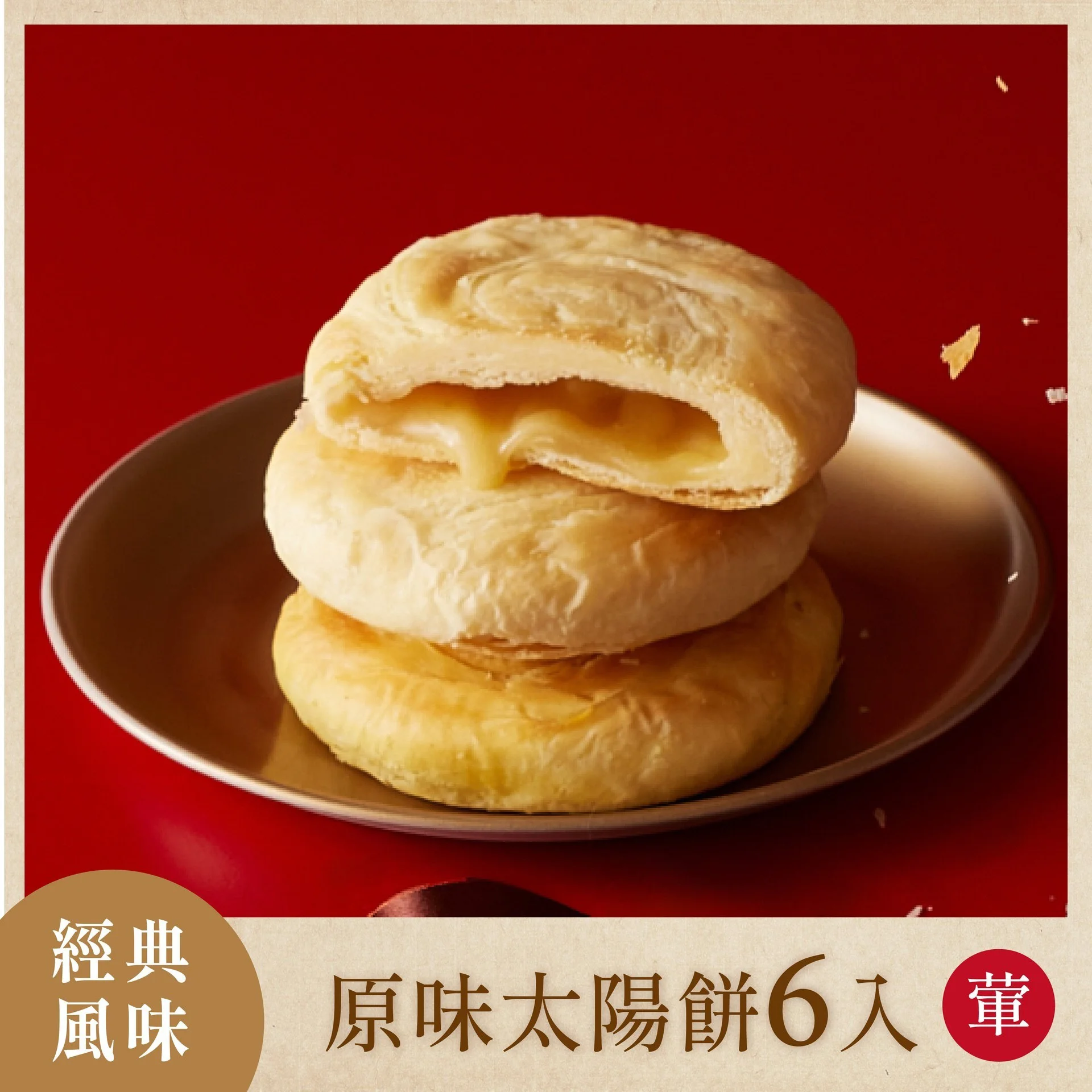
Dawn Cake Original Sun Cake, wrapped 8 pcs (NT$400, Lacto-Veg) Ruyi Sunny Cake Original Sun Cake (6 pcs NT$360, Lard) |
| Adventurous Modern Flavors | Bubble Tea Fusion Chewy boba center infused with brown sugar tea |
Yi Fu Tang Bubble Milk Tea Sun Cake, 8 pcs (NT$320) |
💡 Tasting & Preservation Rituals
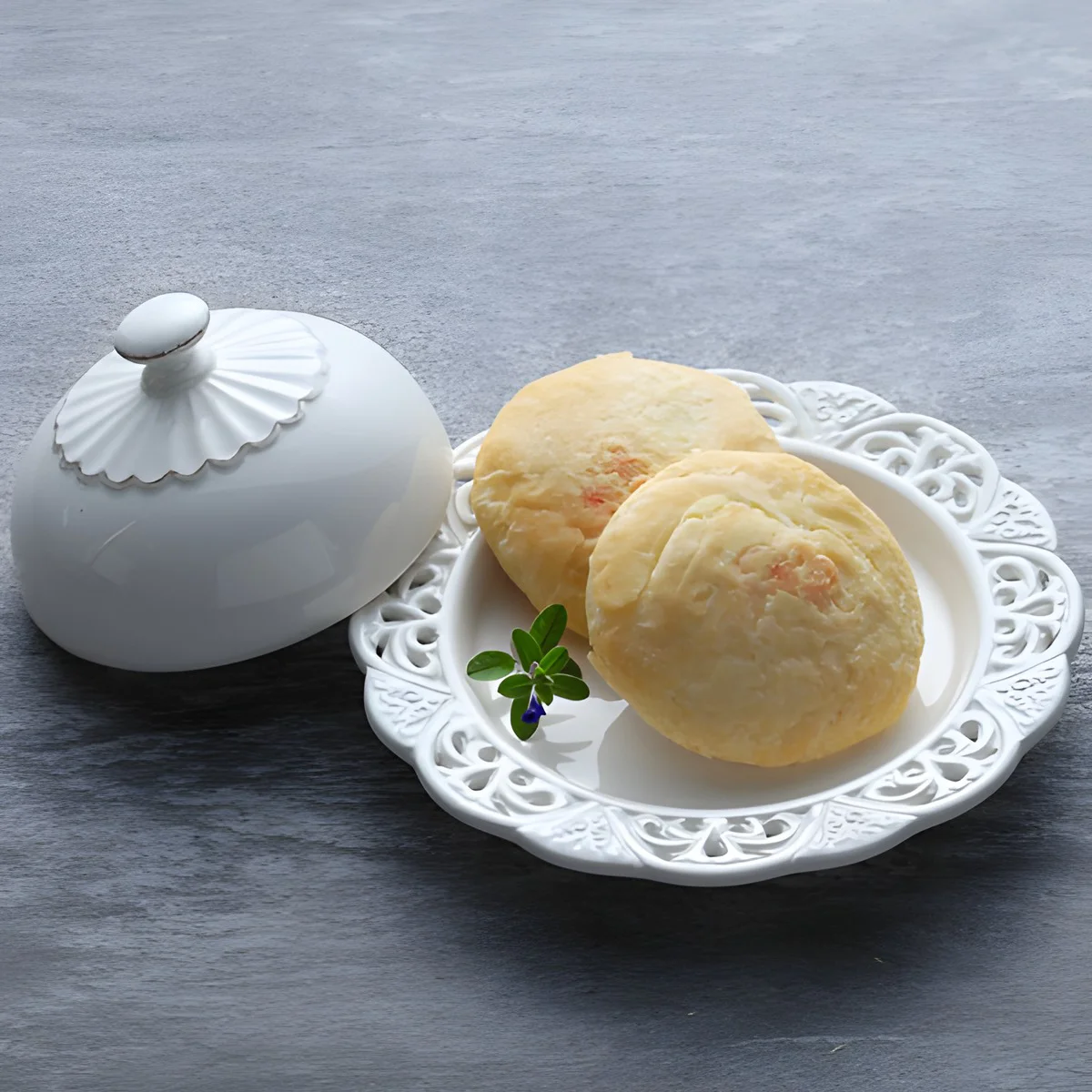
- The Traditional "Soaking Cake" Ritual: In the 1950s and 60s, locals often placed a whole sun cake into a ceramic bowl and poured boiling water, hot milk, or warm almond tea over it. The pastry melts into a soothing, sweet malt porridge—traditionally consumed by night workers or recovering mothers.
- Oven Refresh: Warm in an oven at 150°C (300°F) for 3–5 minutes to revive fresh-baked pastry flakiness.
- Never Refrigerate: Chilling hardens the maltose center into tough candy. Keep in a cool, dry place at room temperature for 10 to 30 days.